chlamydia in cats transmission
However the organism requires direct contact between cats to spread so disease is much more common where larger groups of cats are kept together multi-cat households breeding households catteries and shelters. How is chlamydia transmitted in cats.
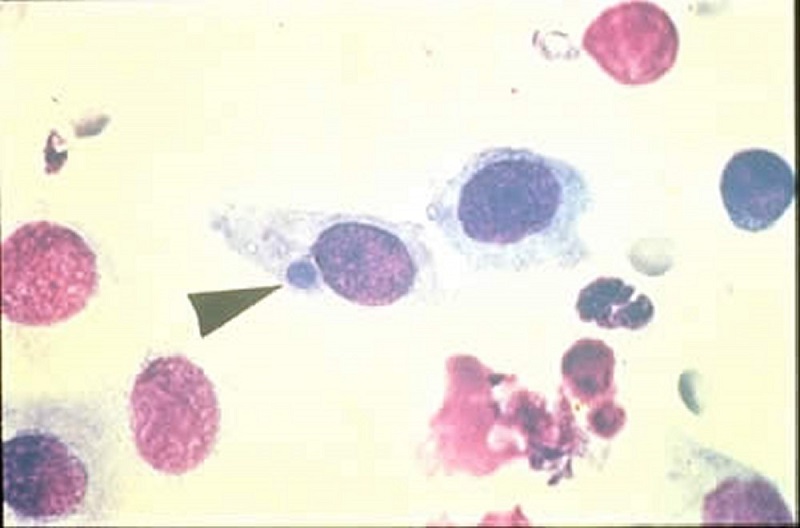
Chlamydial Conjunctivitis In Animals Eye Diseases And Disorders Msd Veterinary Manual
Cats in shelters boarding kennels and multi-cat households run a higher risk of contracting chlamydia.
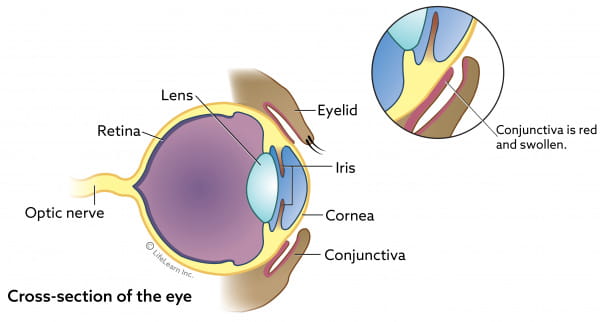
. While there is a higher prevalence of this infection in kittens this condition is present. Chlamydia can infect cats of all ages but kittens between the ages of 5 and 12 weeks are most. Cats in all ages are prone to this disease but it mostly attacks young kittens at the age of 5 to 12 weeks.
Conversely chlamydial species of people have been detected in numerous animal species. Zoonotic transmission from animals to people is well known for C psittaci C abortus and C felis. How is Chlamydia Transmitted.
Its Not An STD. When you think of Chlamydia you might think of STDs and wonder what that has to do with your cat. The disease in cats is also known as feline pneumonitis which can be misleading because these bacteria rarely cause pneumonia in cats.
Chlamydia in cats is usually most severe in kittens who acquire chlamydia from direct contact with an infected animals sneeze or cough or even during the birthing process. Though its contagious among other cats youll be glad to hear its not zoonotic and would be extremely rare for you to catch it. Upper Respiratory Infection Chlamydia In Cats Petmd In 2015 mother-to-child transmission was estimated to account for 639 of all new HIV infections in children aged 0-14 years56 In 2017 this had risen slightly to 674 however Zimbabwe still appears to be on track to achieve the global elimination target of less than 5 by 202057 As a result of this success new infections among 0.
Known as feline chlamydia its fairly common and can affect the upper respiratory system or eyes. It is a bacteria that invades and infects your cats eyes and is one of the most common causes of conjunctivitis in catsIn fact C. Watery or yellowish discharge from one or both eyes Swelling and redness of the conjunctiva the white part of the eye and the membrane that lines the inside of the eyelid Slight fever Drooling Sneezing Runny nose Mouth ulcers Difficulty.
The transmission of this disease happens between cats. In general these are the 9 symptoms of chlamydia in cats. Indirect contact is unlikely as C.
Risk factors for Chlamydophila have not been well defined but it appears to be more common in cats from multicat households pedigree cats and young cats often under one year of age. Sykes J E Anderson G A Studdert V P et al 1999 Prevalence of feline Chlamydia psittaci and feline herpesvirus 1 in cats with upper respiratory tract disease. Chlamydophila infection is relatively common in cats and it may be a cause of up to 30 of cases of chronic long-term conjunctivitis.
Transmission between companion parrots and dogs or cats. Human chlamydia the sexually transmitted disease is caused by the bacteria Chlamydia trachomatis. The mode of transmission is uncertain but Chlamydophila cannot survive in the environment and infection is probably dependent on close contact.
Transmission occurs as a result of direct close contact between cats because the organism survives poorly in the environment. An infection with Chlamydophila felis occurs either through direct contact with contaminated eye discharge or indirect contact with secretions from the respiratory tract. J Vet Intern Med 13 3 153-162 PubMed.
Chlamydiosis in Cats Symptoms and Types. For this reason if one cat in the home is diagnosed all cats in the household should be treated. Transmission occurs as a result of direct close contact between cats because the organism survives poorly in.
Sometimes called Chlamydial Conjunctivitis chlamydia in cats is caused by the bacteria Chlamydia felis. 3 You should still practice good hygiene after handling a cat with chlamydia or suspected chlamydia though. Well it is not an STD is is a bacterial respiratory infection.
Different strains of Chlamydia felis and Chlamydia pneumoniae bacteria cause significant eye infections in cats. Felis is highly adapted to infecting cats so the risk of you contracting chlamydia from your cat is low. Infection with the bacteria occurs via a so-called droplet infection or through direct contact with secretions from the mouth nose or.
Cats living in a rescue center will also possibly get infected. Felis can cause up to 30 of chronic conjunctivitis in catsCats can become infected through direct contact with the bacteria so any. Chlamydia is spread by close or direct contact with an infected cat so all cats in the home can become infected.
In addition it may also affect the genital area although thats less common in cats. For example cats can become infected with one another via droplets. We investigated 13 cats aged between 2 months and 7 years in which conjunctivitis rhinitis laryngotracheitis bronchopneumonia and lymph adenopathy was clinically diagnosed.
The primary mode of transmission is direct contact with the nasal or ocular discharges from an infected cat. Chlamydia in cats is. Transmission of avian C psittaci strains to people may result in atypical pneumonia or even life-threatening acute illness.
Biology and Pathogenesis. ABCD follows a recent nomenclature proposal to classify all 11 currently recognized Chlamydiaceae. Abortus is often transmitted to other animals in birth products although it also occurs in other secretions and excretions such as.
The predominant routes of transmission can differ between chlamydial species disease syndromes and hosts. Chlamydia felis is a Gram-negative bacterium that is an obligate intracellular parasite of cats. The bacteria that cause feline chlamydia typically cannot survive very long away from a host so this disease usually spreads by direct contact between an infected and an uninfected animal.
Felis is considered as a primary and important agent in the etiology of infectious diseases of the upper respiratory tract and eyes in cats having zoonotic potential. J Feline Med Surg 1 1 31-35 PubMed. Chlamydial conjunctivitis is an infection of the membrane around the eye the conjunctiva.
Chlamydia is also easily transmitted to experimental animals including mice monkeys and rabbits. Infected cats also shed Chlamydophila from their rectum and vagina although whether venereal transmission may occur has not been confirmed. Felis doesnt survive well in the environment however it is always advisable to exercise caution when dealing with infected cats and practice routine hand washing and disinfecting to minimise the.
Kittens may become infected during birth. Infection will occur once the infected cats are in contact with other cats. Transmission of Chlamydia pathogens from pets and domesticated animals to humans is well established.
Chlamydia infections have crossed over to humans from cattle horses pigs sheep goats guinea pigs birds dogs cats snakes and monkeys. Chlamydiosis infection affects the respiratory system the eyes the gastrointestinal system and the. Cats with conjunctivitis that are 5 years old are very unlikely to be infected and cats 8 weeks old may be less at risk because of the presence of maternal antibody.
And Kochs Principles prove.

Chlamydia Felis

Chlamydia Felis

Chlamydia Felis
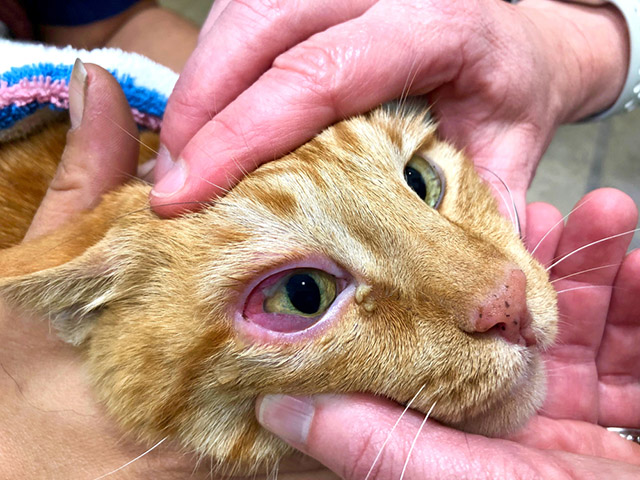
Red Eye In Cats And Kittens Due To Herpes Virus Infection And Chlamydia

Upper Respiratory Infection Chlamydia In Cats Petmd

Chlamydia In Cats What It Is And What It Isn T Catster

Upper Respiratory Infection Chlamydia In Cats Petmd
Chlamydial Conjunctivitis In Cats Vca Animal Hospitals

Chlamydophila Felis Clinician S Brief